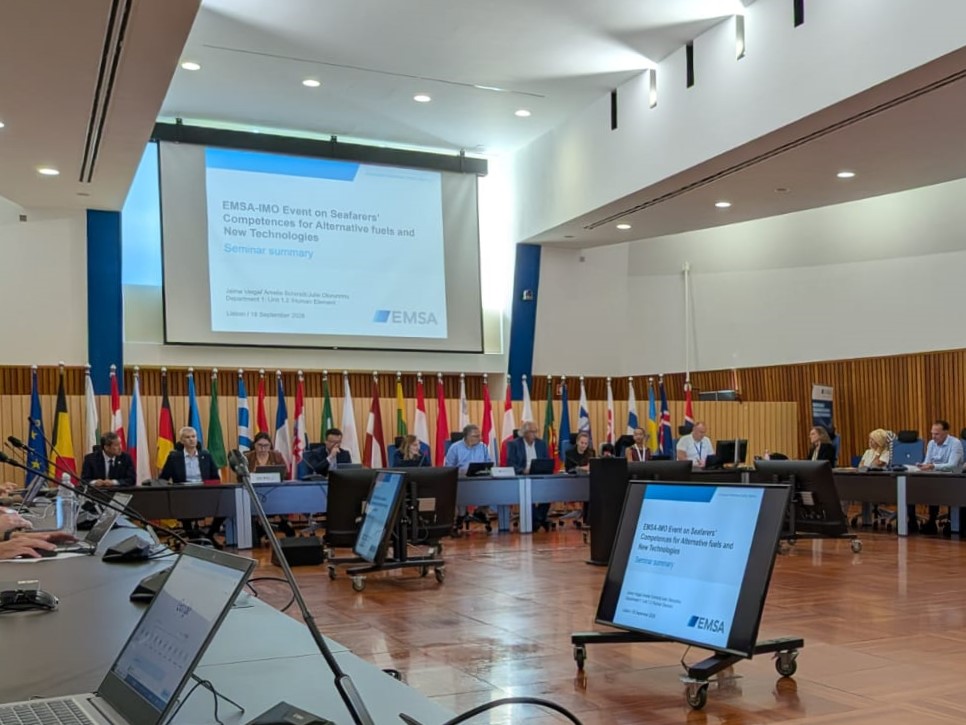
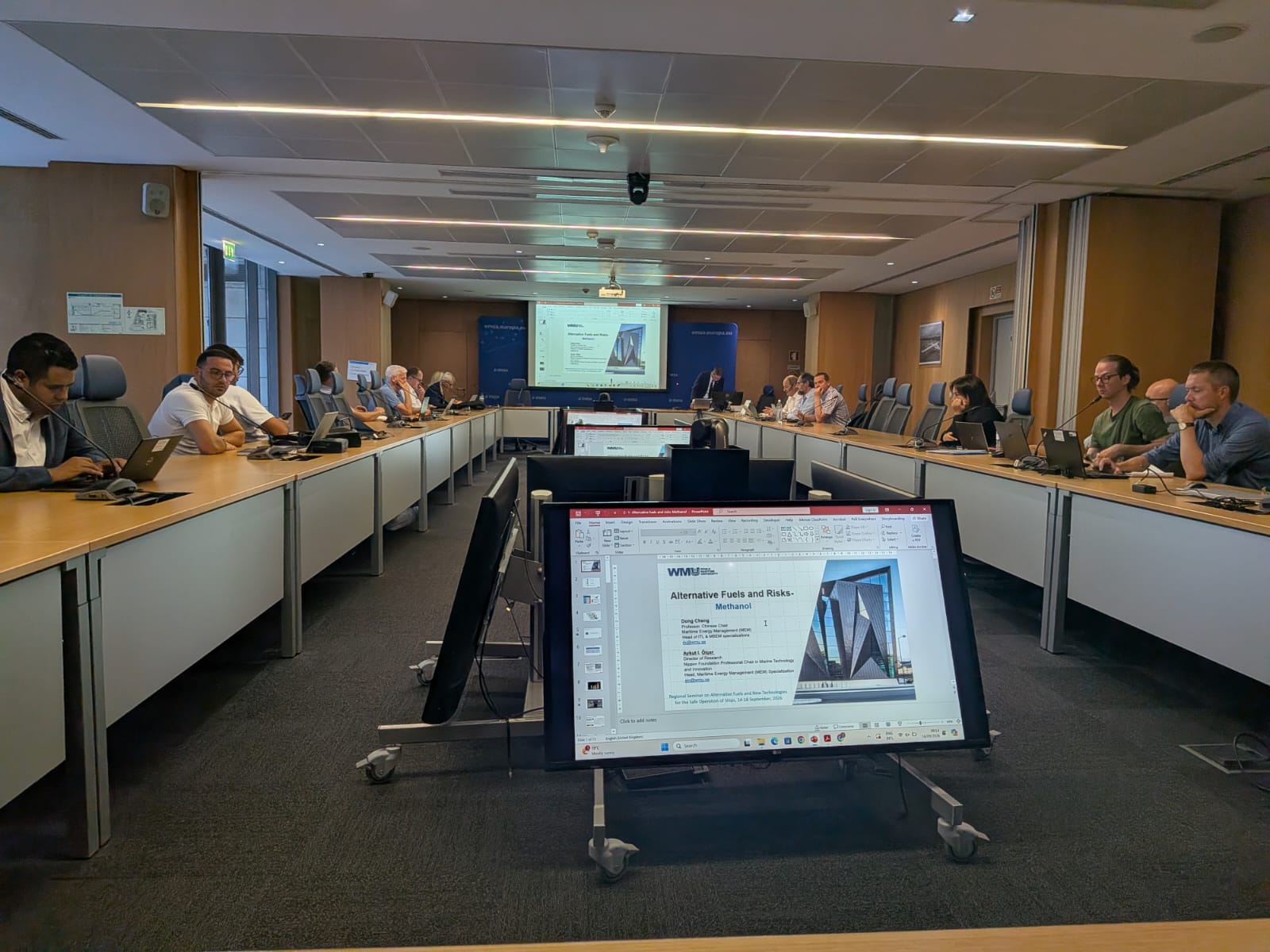
From 14 to 18 September 2026, the European Maritime Safety Agency (EMSA) held an in-person training session with a focus on identifying and developing the key competencies needed by seafarers in order to safely operate vessels that use alternative fuels.
This event brought together industry experts, representatives of maritime administrations and maritime education institutions from Member States of the European Union. The main objective was to develop and harmonise uniform standards for crew training in the context of a large-scale global shift towards greener and decarbonised maritime transport.
During five days of in-person sessions, participants addressed key aspects of seafarers’ training related to operations with alternative fuels and new environmentally friendly technologies.
Main findings and practical outcomes of the work included:
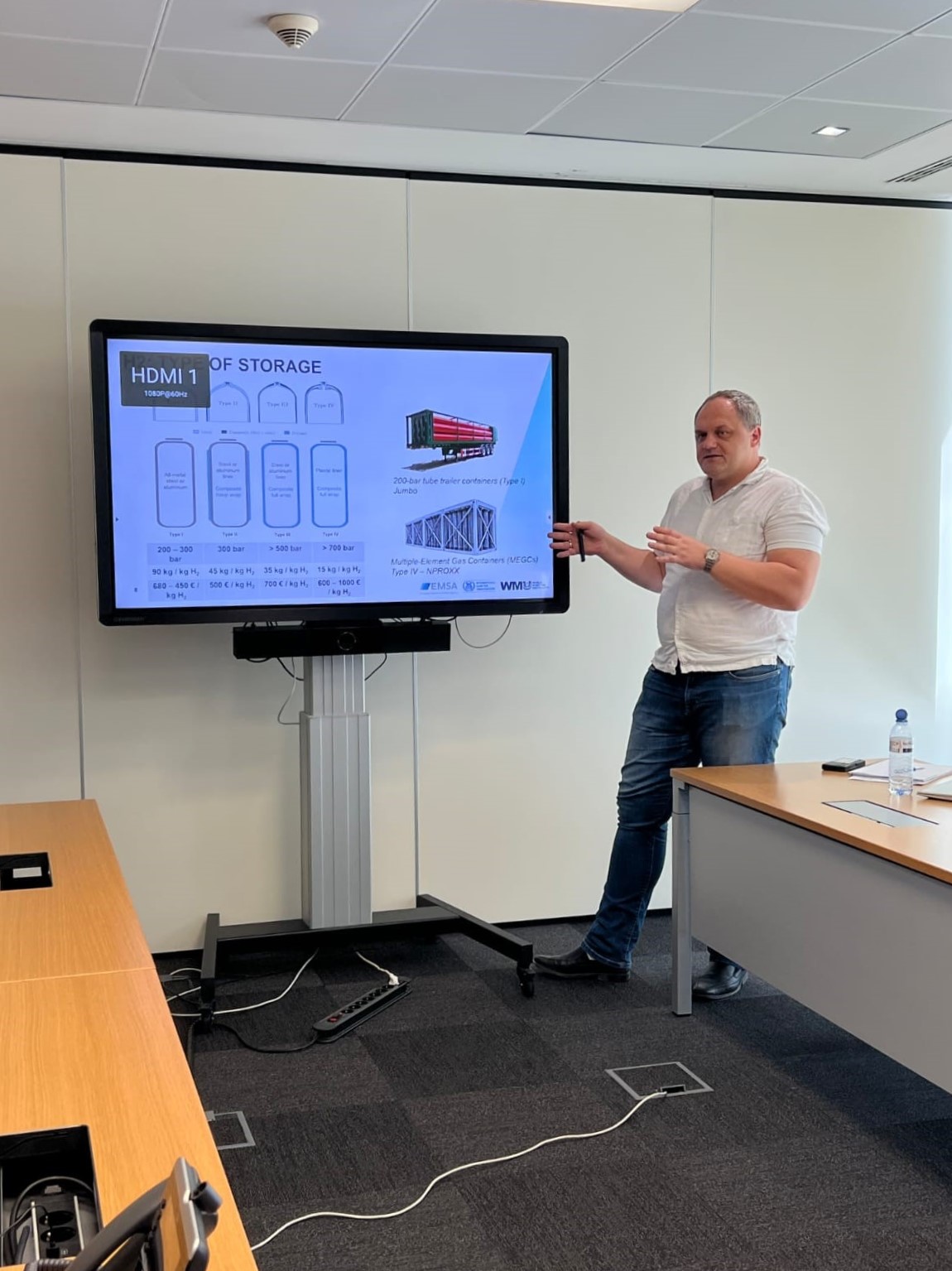
- Analysis of technologies and review of standards: presentations were given on technical characteristics of alternative fuels and global implications of their implementation. Participants discussed the review of the STCW Convention requirements under the auspices of IMO, as well as training standards in accordance with ILO’s approaches.
- Practical work in groups:a detailed analysis of risks, operational procedures, and gaps in crew training was conducted in relation to specific types of fuels and technologies:
- Ammonia: peculiarities of operational processes and safety;
- Methanol (methyl alcohol) and hydrogen: risk analysis of propulsion systems operation;
- Battery systems and CCS: challenges of using batteries and carbon capture and storage (CCS) technologies on board.
- Safety, bunkering, and SOPs: procedures for storage, transportation, and bunkering were explored and real-life incidents were studied to develop standard operating procedures (SOPs) and emergency response protocols.
- Presentation of findings and assessment: at the end of each day, the groups presented their solutions, participated in discussions, and then had a final evaluation.
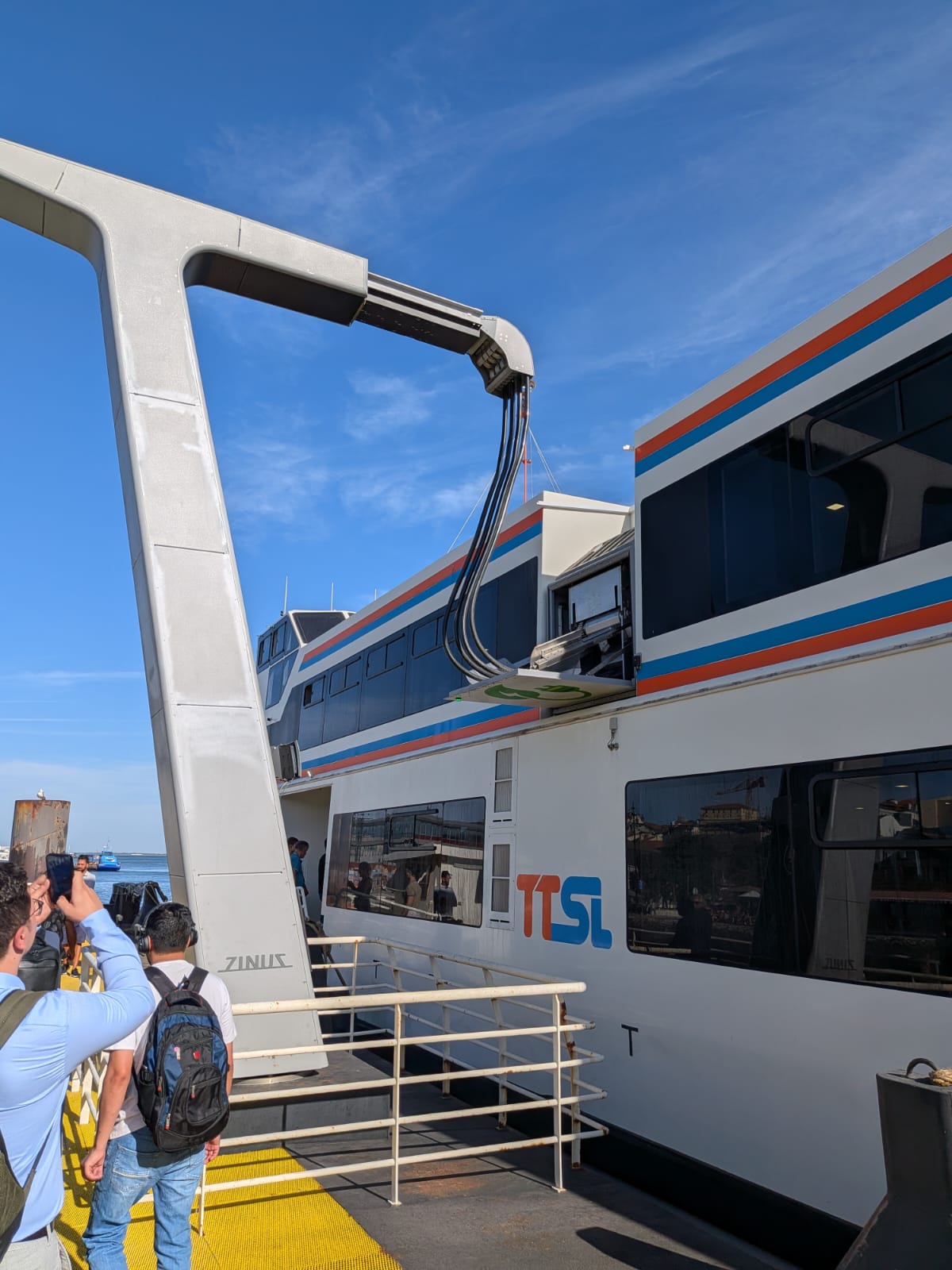
During the event, EMSA representatives organized a site visit to a passenger ferry operating in the Port of Lisbon. The vessel utilizes a battery system as the sole power source for its propulsion system, providing all training session participants with first-hand insight into the development and implementation of modern technologies in European waters.
Following the session, participants discussed next steps to enhance the training of trainers and maritime professionals in operating vessels powered by alternative fuels, benefiting both the participating countries and the European maritime industry as a whole.